
Match footage should help answer a coaching question, not just collect your best winners. If you are wondering how to film a padel match, start with a simple aim: give your coach a clear view of the decisions you make with your partner.
You do not need to build a highlights channel. A stable recording, permission from everyone involved and a few well-chosen sequences are a sensible starting point. Here is a practical approach to filming footage that can support your next training block or padel camp in Valencia.
1. Agree on the purpose before you record

Photo by Иван Асташкин on Pexels.
Choose one question you want the footage to help answer. For example:
- Why do we lose our attacking position after an overhead?
- Are we moving forward together or leaving one player behind?
- What happens between my return of serve and my next shot?
- Do I attempt attacking shots from uncomfortable positions?
Keep the question narrow. “Review everything about my game” gives a coach less direction than “Help me understand why I keep volleying while moving backwards.”
Before filming, ask the venue whether recording and camera mounts are permitted. Get agreement from all four players, and explain whether the footage is for private review, sharing with a coach or public posting. Treat those as separate uses rather than assuming permission for one covers all three.
If you want to send footage before a camp, ask the academy first whether it can review it and how to submit it. Do not assume a booking includes video analysis.
2. Choose a view that shows decisions, not just contact

Photo by Matheus Bertelli on Pexels.
For a tactical review, aim for a wide view that includes both partners, the opponents and the available court space. A close-up of your racket may suit a different question, but it leaves little context for judging your positioning.
Start by testing a position behind the back glass, outside the playing area, if the venue permits it. Look for a view close to the centre that keeps the full court in frame. Use the phone horizontally as a practical starting point.
Before the match, record a short test while players move around. Check:
- Can you see players near both the net and the back glass?
- Is the ball visible enough to follow the sequence?
- Do reflections obscure important areas?
- Does the framing cut off overhead actions?
- Is the camera stable and clear of entrances and walkways?
Review the test rather than trusting the live preview. If the view is poor, adjust it before play begins.
Do not place equipment inside the court or attach anything to court structures without approval. If there is no safe, permitted position, skip the recording.
3. Record ordinary points, including the untidy ones

Photo by Filipp Romanovski on Unsplash.
Film a continuous passage of normal play rather than switching the camera on only when you expect something impressive. Include the serve or return, the rally and its ending.
Avoid building a collection consisting entirely of winners and errors. For a coaching discussion, also select points where you felt unsure, where your partner had to cover for you, or where you survived a difficult situation without understanding why.
Try not to change your game for the camera. Use your usual partner communication and make the decisions you would normally make. The purpose is to show your starting point, not audition for a higher training group.
If your main concern is choosing the right camp level, use the academy’s padel level test as a starting point for that conversation. Footage can provide context if the academy agrees to review it; it should not become a self-produced proof of your best possible standard.
4. Send a small, clearly labelled selection

Photo by cottonbro studio on Pexels.
Keep the original recording, then prepare a manageable selection according to the receiving coach’s instructions. Ask whether they prefer timestamped full footage or separate clips.
For each selected sequence, include the beginning of the point and enough footage after your shot to show what happened next. Avoid slow motion, music and elaborate edits unless requested.
A useful accompanying message could contain:
- Which player I am: clothing colour and starting side.
- My main question: one specific issue.
- Relevant timestamps: where the sequences begin.
- What I intended: the decision I thought I was making.
- What felt difficult: timing, positioning, shot choice or coordination.
For example: “I intended to hold the net, but after my overhead I felt trapped between moving forward and retreating.” That describes a problem without pretending to have diagnosed it.
Check access permissions before sending a link. Share only with the intended recipient, and agree with the other players before reusing clips publicly. Avoid including unrelated people where possible.
5. Turn the footage into a focused camp objective
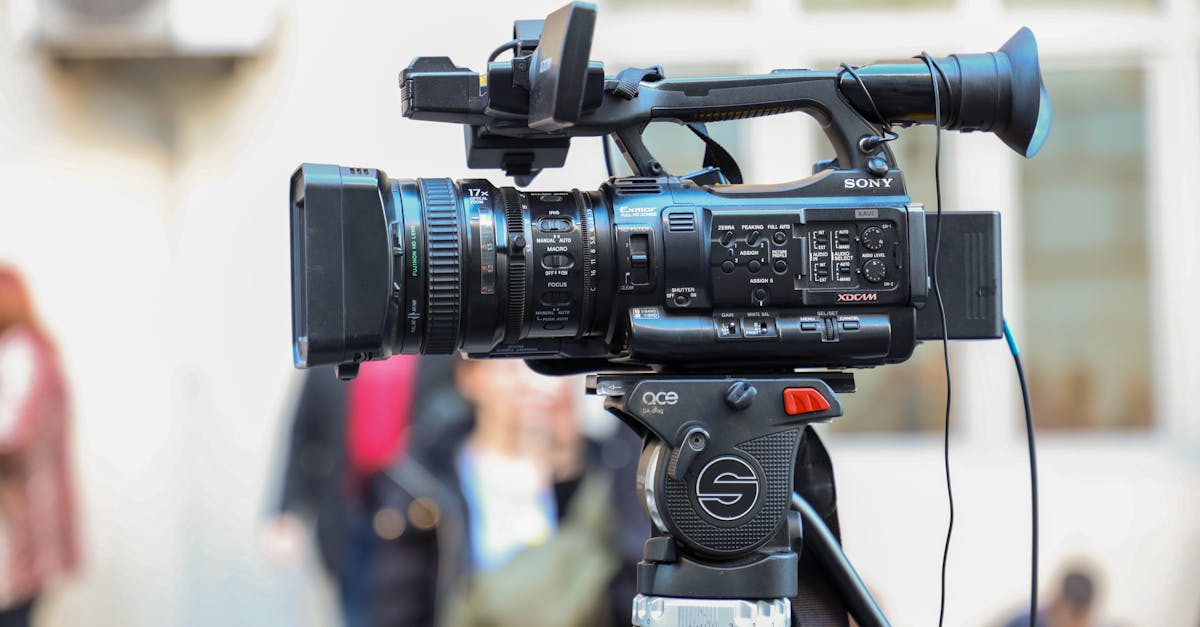
Photo by Boris Hamer on Pexels.
At The Ace Padel Academy, the coaching philosophy is Align, Calibrate, Execute: agree on the objective, adjust the task to the player and practise applying it. The emphasis is tactical-first, with repetition and feedback prioritised over simply adding volume.
Use your footage to propose one working objective, not a list of ten technical repairs. “Recover a useful position after my overhead” is a more focused starting point than “Improve every attacking shot.” Let the coach assess whether that objective matches what happens on court.
If your question centres on shared positioning, explore partner training. For decision-making priorities, consider the tactical masterclass, and confirm the format before booking.
Plan any filming around the training rather than the other way around. Camp days start at 09:00, and padel sessions default to 90 minutes. A sensible proposed week structure is morning coaching, a break for lunch and rest, then afternoon application or match play, subject to your agreed schedule. Matches against local players are the default; fitness is optional, with sessions defaulting to 60 minutes.
FAQ
Do I need a dedicated camera to film padel?
Start with a phone if your test recording is clear enough. Check stability, battery and storage before buying equipment specifically for filming.
Where should I put the camera?
Test an approved position outside the back glass with a wide court view. Let safety, venue permission and visibility determine the final placement.
Should I send a whole match or short clips?
Ask the coach. Keep the full recording available, and identify a small selection of relevant sequences with timestamps.
Can I send footage before booking an academy camp?
Contact the academy to ask whether pre-camp review is available and what submission format it accepts. Do not assume it is included.
Book your padel week
Bring a clear question to your next training week, whether or not you have footage. Camps at The Ace Padel Academy in Valencia start from 400 EUR per player.
Message the academy on WhatsApp with your playing experience, preferred dates and the situation you most want to improve. If you have recorded a match, ask how best to use it in planning your training.
Related Program
Tactical Masterclass
Written by
The Ace Padel Academy