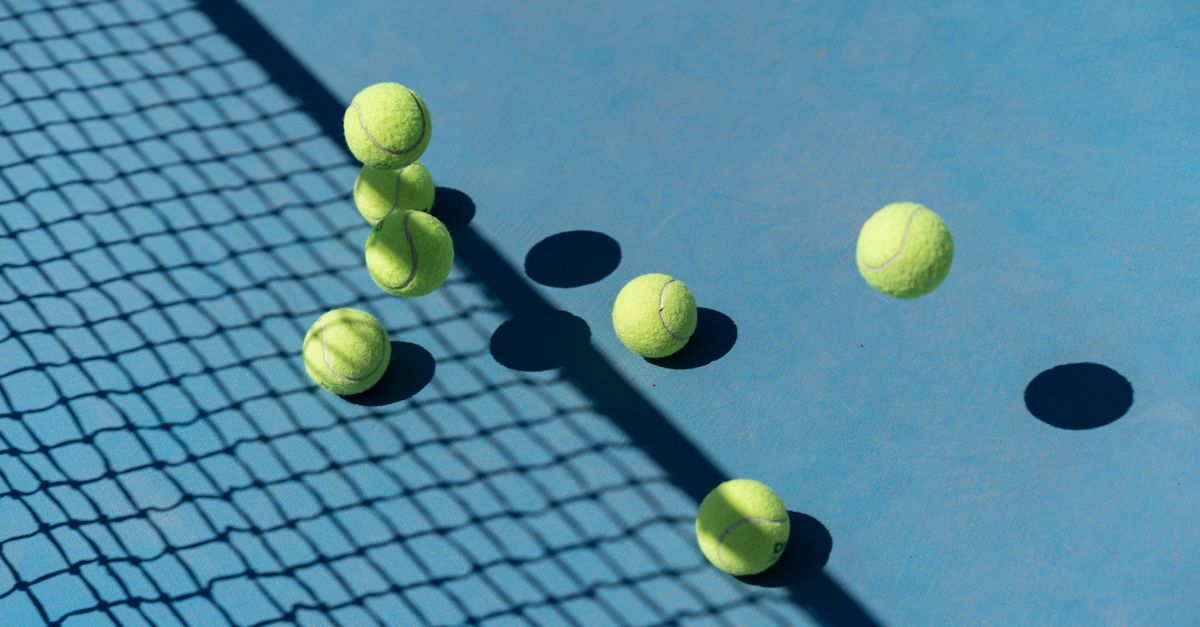
An opponent sends a lob over your head. You move backwards, swing hard and lose control of the point. If that sequence sounds familiar, give your next overhead a different job: keep the rally organised rather than finish it immediately.
The padel bandeja is a controlled overhead shot. For this guide, treat it as a way to handle a manageable lob and work back towards your net position—not as a smaller version of an all-out smash.
Here is a practical approach to choosing, practising and reviewing the shot, built around The Ace Padel Academy’s tactical-first philosophy: Align, Calibrate, Execute.
1. Give your bandeja one clear purpose

Photo by Carlos Pedroviejo Acedo on Openverse, BY-SA 2.5.
Before changing your swing, decide what you want the shot to achieve. Start with this objective: play a controlled overhead that gives you time to recover with your partner.
Do not judge the attempt only by whether the ball goes in. Ask three questions:
- Did I reach the ball in balance?
- Did I play towards an intentional target?
- Could I recover without leaving my partner to cover the court alone?
For your first practice block, choose a generous target away from the side fencing. Avoid making a tiny corner your definition of success.
Use the academy’s three-step framework:
Align: agree on the tactical purpose and target.
Calibrate: adjust the feed, pace and movement until the task is repeatable.
Execute: try the same decision in a live rally.
Keep the task simple enough that you can tell whether you actually improved it.
2. Decide whether the lob is yours to take overhead

Photo by Joshua Kantarges on Unsplash.
Do not make “hit every lob before it bounces” your practice rule. Instead, sort incoming lobs into three decisions.
Comfortable: you can move behind the ball and prepare without stretching. Use this feed to develop your controlled bandeja.
Demanding: you can reach the ball, but your preparation or balance is compromised. Reduce your ambition. Choose a larger target and prioritise a manageable next position.
Too deep: you are chasing backwards or reaching behind your body. Practise recognising when to abandon the overhead and turn to defend after the bounce.
These are decision-making categories, not fixed court zones. Ask your coach to help establish your current limit rather than copying another player’s range.
Tell your partner what you are doing early. Agree on a short call for taking the overhead and another for dropping back. The important part is a shared response, not elaborate vocabulary.
3. Build a repeatable movement and contact routine

Work through the following cues with your coach, changing one element at a time.
Turn and move early. Practise turning your body to travel towards the ball rather than staying square to the net and backpedalling underneath it. Begin with predictable feeds before adding uncertainty.
Prepare before the final adjustment. Try arriving with your racket ready, leaving the last steps for spacing rather than a rushed backswing.
Choose a comfortable contact point. Ask your coach to check where you meet the ball relative to your body. Do not force a textbook-looking position if you are reaching, cramped or uncomfortable.
Start with controlled pace. Use a swing you can repeat towards the selected target. Add speed only after you can preserve the same preparation and balance.
Include the recovery. After contact, move towards an agreed position and prepare for the next ball. Do not let the drill end with you watching your overhead land.
If these cues feel like too much, retain just two for the next set: arrive balanced and recover deliberately. Save the remaining corrections for later feedback.
4. Practise the bandeja in a focused 90-minute session

Padel sessions at The Ace default to 90 minutes. The following is a suggested practice structure, not a fixed academy timetable. Adapt it with your coach to your experience and movement needs.
First 15 minutes: prepare and establish a baseline. Begin with progressive movement and easy hitting, then use comfortable lob feeds. Observe your starting point without trying to correct everything.
Next 20 minutes: repeat one target. Keep the feed predictable. Play short sets of controlled overheads, pausing for feedback. Track target accuracy and balanced recovery separately.
Next 20 minutes: add the decision. Mix comfortable feeds with deeper ones. Call whether you will take the ball overhead or defend after the bounce. Review the decision, not just the resulting shot.
Next 20 minutes: include your partner. Play out the rally after the lob. Agree where both players should recover, then discuss any gaps between the intended movement and what happened.
Final 15 minutes: test and review. Play points without stopping for constant corrections. Afterwards, identify one cue to retain and one situation that needs more work.
Avoid turning this into a contest over how many overheads you can hit. Prioritise useful repetitions and feedback over volume.
5. Take the shot into a training week

Photo by Ben Hershey on Unsplash.
Give your bandeja a narrow goal for the week: for example, recognise the deep lob earlier or recover more consistently after a comfortable overhead. Avoid rebuilding every overhead at once.
Camp days at The Ace start at 09:00. A useful weekly rhythm is focused morning coaching, a proper break to eat and rest, then afternoon application when scheduled. Matches against local players are the default; fitness is optional. Confirm your individual timetable before making other plans.
Use those matches to test your decision under uncertainty, rather than asking every rally to become a bandeja drill.
If you are unsure where to start, use the padel level test. Explore the Advanced Camp or discuss a specific overhead objective through the Tactical Masterclass.
FAQ
Should I try to hit winners with my bandeja?
For this practice plan, no. First aim for intentional placement, balance and recovery. Discuss more aggressive options with your coach once that foundation is repeatable.
Should I take every lob overhead?
Do not make that your goal. Practise recognising when you can prepare comfortably and when you need to turn and defend after the bounce.
Can beginners practise the bandeja?
Ask your coach to assess readiness and simplify the task. Start with controlled feeds and basic movement rather than a demanding live-point drill.
Do I have to book fitness with a camp?
No. Fitness is optional at The Ace. Padel sessions default to 90 minutes, while fitness sessions default to 60 minutes.
Book your padel week
Bring one clear overhead problem to Valencia and build your training around it. Camps at The Ace Padel Academy start from 400 EUR per player.
Message us on WhatsApp with your preferred dates, playing experience and the situation you want to improve. Ask which format fits your level and how coaching and local matches can support that goal.
Related Program
Tactical Masterclass
Written by
The Ace Padel Academy