
A padel holiday should give you time to improve, not pressure to fill every available court slot. If you normally play twice a week, booking coaching, fitness and matches every day deserves some careful planning.
The practical question behind padel camp recovery is simple: how do you arrive at each session ready to learn?
Start with your normal playing routine, protect the gaps between activities and judge the week by the quality of your decisions—not just your court hours. Here is a practical way to approach a training holiday in Valencia.
1. Build around your normal week, not your ambition

Photo by Sevgi LALE on Pexels.
Before choosing a schedule, write down what you actually played over the last few weeks. Include coaching, social games, competitive matches and other exercise. A holiday plan should start from that reality rather than your busiest-ever week.
Send the academy three useful details:
- How often you currently play and how long your sessions last.
- Whether consecutive playing days are familiar or unusual.
- Any limitations that affect what you can comfortably do on court.
Then choose one main learning objective. That might be making calmer defensive decisions, coordinating movement with your partner or choosing safer attacking targets.
At The Ace Padel Academy, padel sessions default to 90 minutes. Treat that as a session length, not a recommendation to book several sessions every day.
The academy’s tactical-first approach prioritizes repetition and feedback over volume. An extra session needs a purpose beyond making the itinerary look impressive. When exploring a padel holiday in Spain, ask what each part of the schedule is intended to teach you.
2. Give mornings, breaks and afternoons different jobs

Photo by Muhtelifane on Pexels.
Camp days at the academy start at 09:00. A useful planning framework is morning coaching, a protected break and afternoon application. The outline below is illustrative, not a guaranteed timetable or a list of package inclusions.
Morning: learn and repeat. Use the coached session to work on one tactical situation. Agree on the decision you are practising before counting successful shots. For example: when under pressure, can you choose a manageable ball rather than attempt an immediate winner?
Between sessions: leave a genuine gap. Make room for food, drinks, changing and downtime. Avoid arranging sightseeing so tightly that your break becomes another appointment you have to rush through.
Afternoon: apply or step back. Matches against local players are the academy’s default match format. Use them to test the morning’s objective, rather than treating every point as a verdict on your progress. Discuss the day’s workload with your coach before adding more court time.
Across the week, keep that rhythm flexible: establish a starting point, practise a small number of priorities, then test them in play. Fitness is optional, not a compulsory extra squeezed into every gap.
3. Make the break useful without overcomplicating it

Photo by Omar Ramadan on Pexels.
You do not need an elaborate recovery itinerary to organize a sensible training day.
Some Spanish padel holidays explicitly offer wellness extras: the Oliva Nova experience listing, for example, advertises coaching alongside spa and other leisure options. That describes the holiday offer; it does not establish that a spa visit is necessary for your training.
Start with a simpler between-session checklist:
- Check the next commitment. Know when you need to return, rather than spending the whole break watching the clock.
- Allow time to eat and drink. Do not let travel logistics crowd these out.
- Record one coaching cue. Write a short instruction you can use in the next match, not a page of technical corrections.
- Tell the coach what changed. Mention discomfort, unusual tiredness or difficulty concentrating before the next session starts.
- Keep the evening realistic. If tomorrow matters to you, avoid planning an evening that leaves little opportunity to sleep.
Think of recovery here as protected space between demands—not another activity to complete perfectly.
4. Adjust when useful repetition becomes rushed repetition
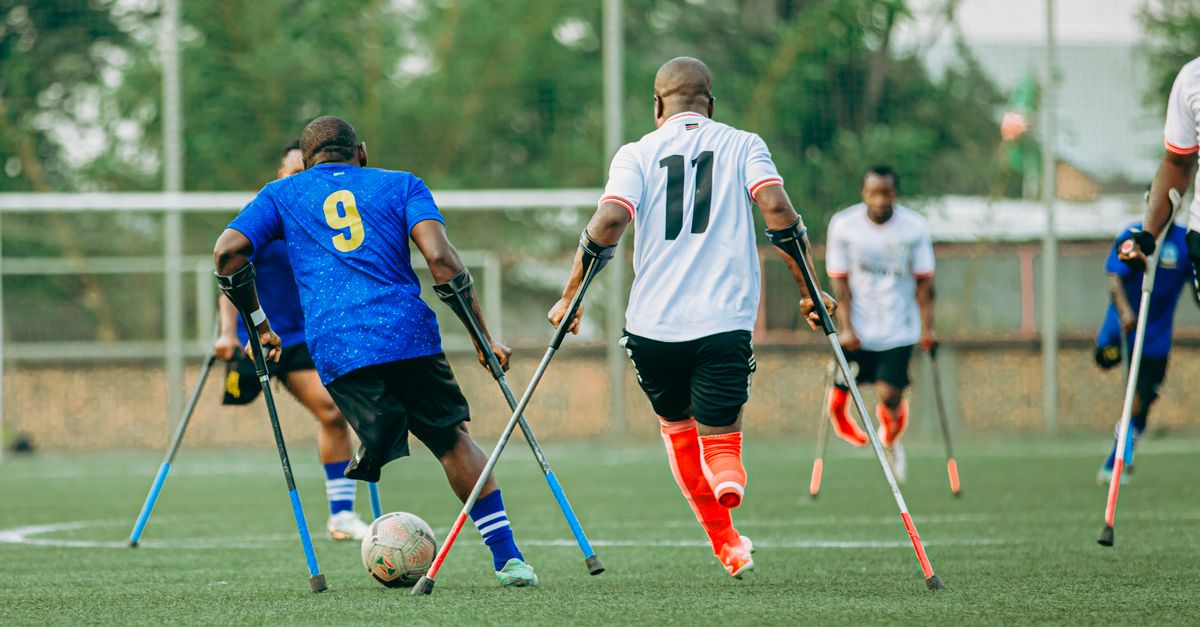
Photo by Chris wade NTEZICIMPA on Pexels.
One bad game is not a reason to rewrite your week. However, repeated difficulty following a familiar instruction is worth discussing rather than ignoring.
Use a brief check-in before each session:
Can I describe today’s objective? If not, simplify the task with your coach.
Am I still attempting the movement or decision we agreed on? If every repetition has become a hurried improvisation, ask whether the exercise should change.
Am I comfortable continuing? Do not treat new or worsening pain as a technical problem to solve through more repetitions. Stop the activity and seek appropriate medical advice when needed.
The academy’s framework—Align, Calibrate, Execute—provides a useful planning lens. Align on the goal, calibrate the task to the player and execute with a clear intention. It is not a rule to keep pushing through a fixed workload.
Possible changes to discuss include fewer repetitions, a simpler exercise, more feedback time or removing an additional activity. With a private training camp, explain your scheduling priorities before booking rather than assuming every adjustment will be available on arrival.
5. Make the final day a handover, not a marathon

Photo by Jan van der Wolf on Pexels.
It is tempting to add one last session because you are heading home. First ask what you still need from the week.
A useful final-day request is a short review built around three questions:
- Which tactical decision should I keep practising?
- What cue helps me recognize the right moment?
- How can I practise this in my normal games at home?
If you play a final match, choose one objective from that review. Avoid turning it into a test of every correction you received all week.
Optional fitness should also have an agreed purpose. Academy fitness sessions default to 60 minutes, and fitness days start at 08:30. Confirm how these fit with your chosen camp schedule; optional does not mean automatically suitable on every day.
FAQ
How many hours of padel should I play each day at camp?
There is no single academy-wide daily target to assume. Padel sessions default to 90 minutes; discuss the number of sessions and matches using your normal workload and goals.
Do I have to do fitness during a padel camp?
No. Fitness is optional at The Ace Padel Academy. Default fitness sessions last 60 minutes.
Should I book extra matches before arriving?
Confirm your training schedule first. Matches against local players are the academy’s default, so check what is arranged before adding more commitments.
Can I request a lighter training schedule?
Explain your preferences before booking and ask which format fits. Confirm the agreed schedule rather than assuming sessions can always be changed later.
Book your padel week
Build a week around learning you can use, not hours you have to survive. Camps at The Ace Padel Academy in Valencia start from 400 EUR per player.
Explore the academy programs, then message us on WhatsApp with your travel dates, normal weekly playing routine and main goal. Ask for a schedule that leaves room for focused coaching, local matches and proper breaks.
Related Program
Private Training Camp
Written by
The Ace Padel Academy