
Your padel return of serve does not need to win the point. Give it a more useful job: start a rally you and your partner are ready to play.
If you keep changing your return after every mistake, simplify the task. Choose a target, decide which serves justify a different response, and practise the next shot as well as the return itself.
This guide gives you a tactical starting point and a suggested practice session. Use it as a framework to test with your coach, rather than a rule that every player must follow.
1. Give your return a clear purpose
Before receiving, choose what you want the return to achieve. Start with one of these intentions:
- Stay in the rally: choose a comfortable target and avoid forcing an outright winner.
- Make the first volley awkward: aim towards the incoming server’s feet, provided you can control the height.
- Try to move the opponents back: choose a lob when you feel balanced enough to control its direction and depth.
Do not make your entire plan “hit cross-court” or “play a lob.” Add a reason and a fallback.
For example: “I will try a controlled return towards the server. If the serve leaves me stretched, I will prioritise getting the ball back with margin.”
Judge the decision separately from the result. A sensible choice that you mistime needs a different correction from an ambitious shot you were never comfortable attempting.
2. Calibrate your receiving position

Photo by Nikola Tomašić on Unsplash.
Avoid searching for one perfect place to stand against every server. Instead, use your first few returns to test your starting position.
Begin somewhere that feels balanced and gives you room to prepare. Then ask:
- Am I repeatedly reaching for the same serve?
- Am I getting crowded when the ball comes towards my body?
- Can I prepare before the ball reaches me?
- When the ball approaches the side glass, am I making a clear decision or hesitating?
Change one thing at a time. Try a small adjustment forwards, backwards or sideways, then receive several similar serves before judging it.
For serves near the side glass, ask a coach to help you compare taking the ball before the rebound with playing after it. Practise both situations at a manageable pace rather than committing to the same solution regardless of the ball.
The goal is not to copy another player’s stance. Find a starting point from which you can make a deliberate choice.
3. Build two returns before adding more

Photo by Alex Viau on Unsplash.
For your next practice block, work with two options: a controlled low return and a lob. Treat them as choices to calibrate, not shots you must alternate equally.
The controlled low return
Pick a generous target rather than a sideline. Try the server’s approach lane or a central area, and ask the receiving player to tell you whether your ball created a comfortable or awkward first volley.
If your attempts keep finding the net, reduce the demand. Allow more clearance, take some pace off, or enlarge the target. Do not try to fix every miss by swinging harder.
The lob return
Practise the lob first against serves you can receive comfortably. Choose a landing area with room inside the boundaries, and notice whether you can repeat the height and depth.
If you feel rushed, make the simpler return your fallback. There is no need to force a lob just because it was your original intention.
For both shots, use the same question: “Was that an appropriate choice for the ball I received?” A tactical masterclass is a relevant option if choosing the return is your main training priority.
4. Try this 90-minute return practice
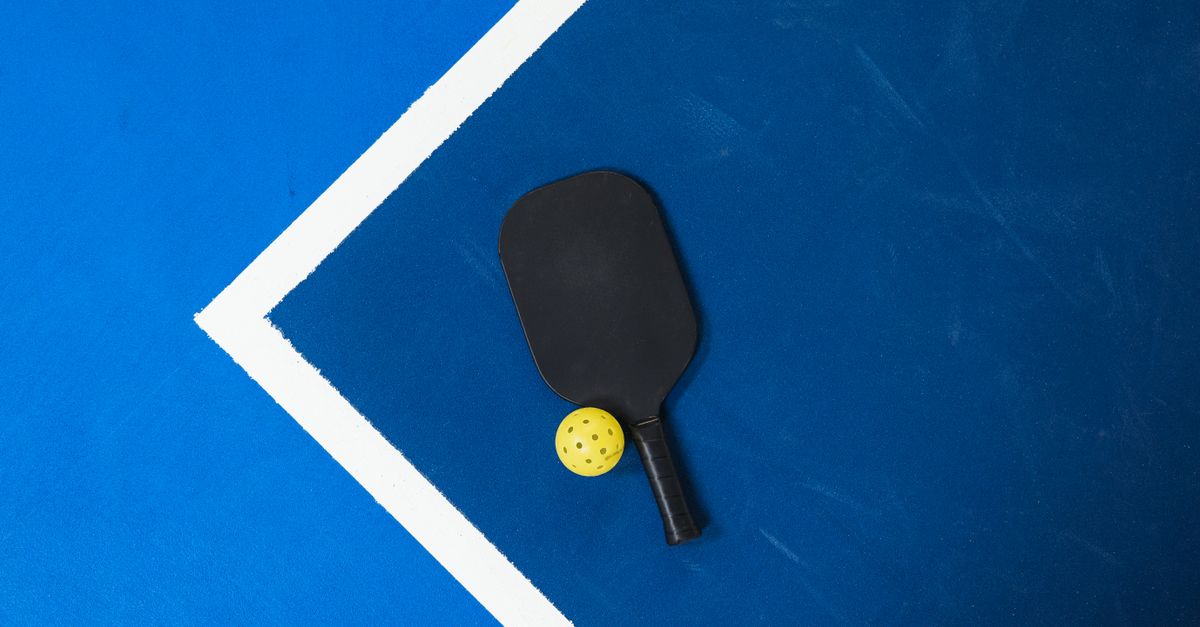
Photo by Mason Tuttle on Pexels.
Academy padel sessions default to 90 minutes. The following is a suggested practice structure, not a fixed academy timetable. Adjust it with your coach to suit your level.
First 15 minutes: warm up and establish a baseline
Warm up progressively, then receive a short set of comfortable serves. Notice your preparation, target and most common difficulty. Choose one issue to work on.
Next 20 minutes: repeat one situation
Ask for repeatable serves towards a manageable area. Practise your controlled return with the same intention. Pause for feedback rather than rushing through a large number of balls.
Next 20 minutes: introduce a choice
Vary the serve gradually. Decide between your controlled return and lob according to how comfortably you receive the ball. After each short sequence, explain your choices to your coach or partner.
Next 20 minutes: play the return and the next ball
Continue the rally beyond the return. Check whether you recover into a useful position and prepare for the opponents’ response. Do not admire a good return and forget the next shot.
Final 15 minutes: test it in points
Play points without stopping after every error. Afterwards, identify one decision to keep and one situation to revisit.
This follows the academy’s Align, Calibrate, Execute approach: agree on the problem, adjust the response, then test it in play. Prioritise repetition and feedback over volume.
5. Take the plan into matches

Before a practice match, tell your partner what you are testing. Keep the agreement simple: your main return target, your fallback and what you want them to observe.
Afterwards, discuss three questions:
- Which serves made me abandon the plan?
- Did I choose an appropriate return when under pressure?
- Was I ready for the next ball?
Avoid making “returns won” your only measure. Record whether you executed your intention and what happened immediately afterwards.
At The Ace Padel Academy in Valencia, matches against local players are the default; fitness is optional. Bring your return objective into those matches and use the experience to guide the next coaching session. If you want to work on this with your usual playing partner, explore partner training.
FAQ
Should I always lob the return in padel?
Do not make it compulsory. Practise the lob as an option, and keep a controlled return available when you feel rushed or off balance.
Where should I aim my return of serve?
Start with a generous target you can repeat. Test the server’s approach lane or a central area with your coach before attempting narrow angles.
How can I practise returning without playing a full match?
Ask a partner to serve repeated balls to one area. Add variation gradually, then continue each rally for at least one more shot.
Can beginners use this practice plan?
Yes: simplify the suggested exercises with your coach. Start with comfortable serves and one target before introducing shot choices or competitive points.
Book your padel week
Bring one clear objective to Valencia: a return you understand and can practise with purpose. Explore the academy’s programs, with camps from 400 EUR per player.
Message The Ace Padel Academy on WhatsApp with your level, preferred dates and biggest return-of-serve difficulty to discuss a suitable training option.
Related Program
Tactical Masterclass
Written by
The Ace Padel Academy