
Padel courts in the United States have multiplied faster than the coaching layer behind them. Plenty of clubs, fewer coaches who grew up inside a competitive padel structure. That gap is why serious American players are flying to Spain.
What Spain has that the US does not yet

Photo by Milan Kiro on Pexels.
Thirty years of competitive infrastructure. In Valencia there are over a hundred courts and a year-round amateur circuit, which means every coach teaches daily and plays weekly. Technique is not taught from a manual; it is taught from a league.
The practical effect: instead of being told your bandeja is wrong, you are told which bandeja to use against which position, and why.
Getting to Valencia

Photo by Rafael Minguet Delgado on Pexels.
There is no direct route from most US cities, so plan a connection through Madrid, Barcelona, Lisbon, Amsterdam or London. Total travel is typically twelve to sixteen hours from the East Coast. Madrid to Valencia is a 100-minute train.
Once in Valencia you will not need a car. Our training base in Catarroja is thirteen minutes on the Cercanías C1 line from the main station, plus an eight-minute walk.
Structure your trip around jet lag

Photo by Elizabeth Rushkovska on Pexels.
Land two days before the camp starts if you can. Day one back on European time is not a day you want to be filming your technique. Most American players book eight to ten nights for a six-day program, using the extra days for the city, the beach and recovery.
What the week covers

Photo by Francesco Ungaro on Pexels.
We work the ACE method:
- Align — Filmed diagnostic on day one. We identify where points are actually lost, which is rarely where players assume.
- Calibrate — Corrected repetition on bandeja, vibora, glass work and net transition.
- Execute — Pressure points, tactical constraints and video review.
Groups cap at four players, plus dedicated physical sessions at Core Training in Valencia focused on lateral explosiveness and hip mobility, the two limiters most tennis converts hit.
For tennis converts specifically
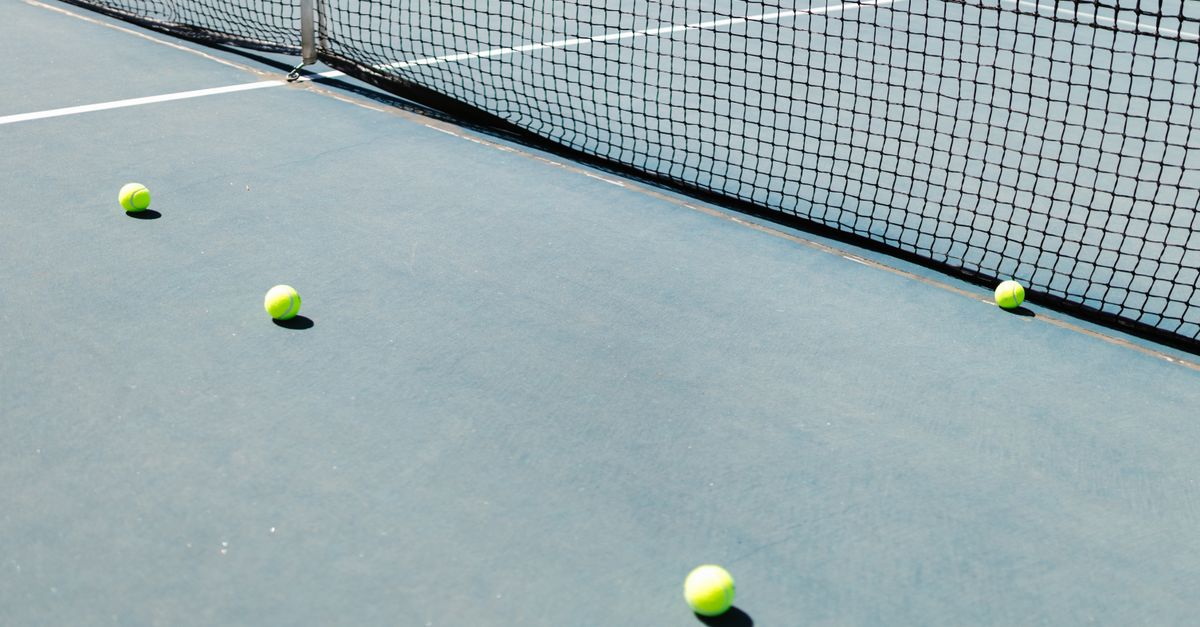
Photo by RDNE Stock project on Pexels.
Most American padel players arrive from tennis. The three habits that cost you the most: swinging too big, standing too deep, and treating the back glass as an enemy instead of a tool. A week of corrected repetition rewires all three faster than a year of weekend games with the same group.
Cost perspective

Photo by Niels Baars on Unsplash.
Private padel coaching in major US metros routinely runs 100 to 150 dollars an hour plus court fees. Twenty coached hours at home therefore exceeds two thousand dollars. A week in Valencia, flights included, generally lands below that with video analysis, fitness work and supervised match play included.
Best months

October through May offers 60 to 75 Fahrenheit and outdoor courts every day. July and August are playable but training moves to early morning or evening.
If you are unsure about your level, send a short video over WhatsApp and we will place you in the correct group before you book flights.
Related Program
Pro Camp
Written by
The Ace Academy